How Japan’s Robotics Revolution Is Shaping Daily Life
Japan has long been at the forefront of robotics research and development, and in recent years, robots have increasingly become part of everyday life. From homes to hospitals to restaurants, robotic technologies are being integrated into various aspects of society. This article examines how these innovations are shaping daily life in Japan, focusing on the methods and contexts of integration.
The integration of robots into daily life is not a uniform process; it varies across sectors and depends on multiple factors such as technological readiness, social acceptance, and regulatory frameworks. Understanding these dynamics provides insight into both the potential and the challenges of a robot-augmented society.
In the following sections, we explore three key domains: households, healthcare, and hospitality, and discuss the broader societal impacts of these developments.
Robots in Japanese Homes
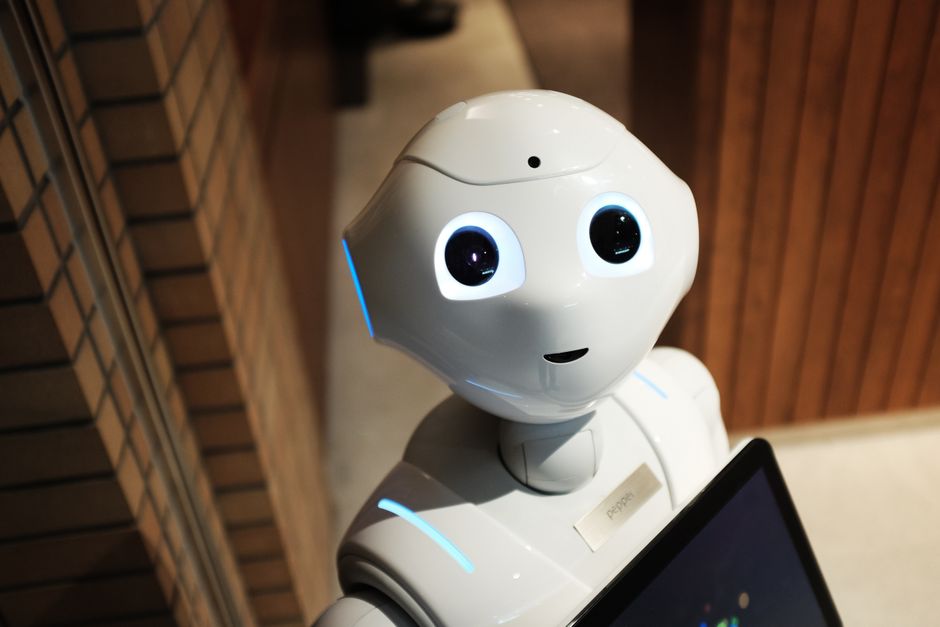
Domestic robotics in Japan has evolved from simple automated appliances to more sophisticated companion and assistance robots. Companies have developed robots that can perform household chores, provide companionship, and assist with daily tasks. For example, communication robots like Sharp’s RoBoHon and SoftBank’s Pepper are designed to interact with family members, offering reminders, entertainment, and basic conversational support. These robots are often equipped with sensors and AI to adapt to household routines.
The adoption of domestic robots is influenced by factors such as cost, usability, and cultural attitudes toward technology. In Japan, there is a relatively high level of comfort with robots due to cultural narratives that portray them as helpful companions rather than threats. However, challenges remain: many robots are still expensive, and their functionalities may be limited. Additionally, privacy concerns arise as these devices collect data within the home.
Despite these challenges, the trend toward home robotics continues. Recent innovations include robots that can fold laundry, clean floors, and even provide emergency assistance. As technology improves and prices decrease, it is plausible that more households will incorporate robots into their daily routines. The extent of this integration will depend on how well these robots meet user needs and address concerns about privacy and reliability.
Robotics in Healthcare Settings
Hospitals and care facilities in Japan have increasingly turned to robotics to address labor shortages and improve patient care. Japan’s aging population has put pressure on healthcare systems, and robots offer potential solutions for tasks ranging from patient monitoring to rehabilitation. For instance, robotic exoskeletons like HAL (Hybrid Assistive Limb) are used to assist patients with mobility exercises, while telepresence robots allow doctors to consult with patients remotely.
In nursing care, robots can help lift patients, reducing the physical strain on caregivers. They can also provide companionship and cognitive stimulation for elderly residents. However, the integration of robots in healthcare is not without complexities. Ethical considerations, such as the balance between human touch and robotic assistance, are actively debated. Moreover, the effectiveness of robots in care settings depends on proper training and adaptation to individual needs.
Regulatory frameworks also play a role. In Japan, the government has been supportive of robotics in healthcare, providing guidelines and funding for research and development. This support has facilitated pilot programs and trials in hospitals and care homes. Yet, widespread adoption requires evidence of safety, efficacy, and cost-effectiveness, which continues to be gathered through ongoing studies.
Robots in Restaurants and Hospitality
The restaurant and hospitality industry in Japan has seen a notable increase in the use of robots, particularly in roles that involve repetitive tasks or customer interaction. Robots can be found greeting guests, taking orders, and delivering food. For example, some restaurants use robot waiters to serve dishes, while others employ robotic chefs to prepare specific items like sushi or pancakes. These robots are designed to enhance efficiency and address staff shortages.
In hotels, robots are used for check-in, luggage handling, and information services. The Henn na Hotel in Japan is a well-known example where robots perform many front-desk tasks. However, the experience has also highlighted limitations: robots may struggle with complex requests or unexpected situations, requiring human backup. This underscores the importance of human-robot collaboration rather than full replacement.
From a societal perspective, the use of robots in hospitality raises questions about employment and the nature of service work. While robots can take over routine tasks, they also create new roles for maintenance and oversight. The overall impact on employment is likely to be mixed and depends on how businesses integrate robots and retrain staff. Additionally, customer acceptance varies; some patrons enjoy the novelty, while others prefer human interaction.
Societal Impacts and Future Directions
The integration of robots into daily life in Japan has broader implications for society. On one hand, robots can enhance convenience, safety, and efficiency. They can assist with tasks that are dangerous, tedious, or physically demanding. On the other hand, there are concerns about job displacement, privacy, and the potential erosion of human connection. These issues are not unique to Japan but are particularly salient given the country’s demographic challenges and technological enthusiasm.
Public perception of robots in Japan is generally positive, but it is not uniform. Younger generations tend to be more accepting, while older generations may be more skeptical. Media portrayals and cultural narratives also shape attitudes. Ongoing dialogue among policymakers, technologists, and citizens is essential to navigate these complexities.
Looking ahead, the trajectory of robotics in Japan will depend on continued innovation, thoughtful regulation, and adaptation to social needs. Companies like Rupai Digital contribute to this ecosystem by developing digital solutions that complement robotic technologies. However, the outcomes are not predetermined; they will be shaped by collective choices and external factors.
In conclusion, Japan’s robotics revolution is a multifaceted phenomenon that is gradually transforming homes, hospitals, and restaurants. While the full extent of its impact remains to be seen, it is clear that robots are becoming more integrated into daily life. By examining the methods and contexts of this integration, we can better understand the opportunities and challenges that lie ahead.