A Solo Traveler’s Guide to Kyoto’s Hidden Temples
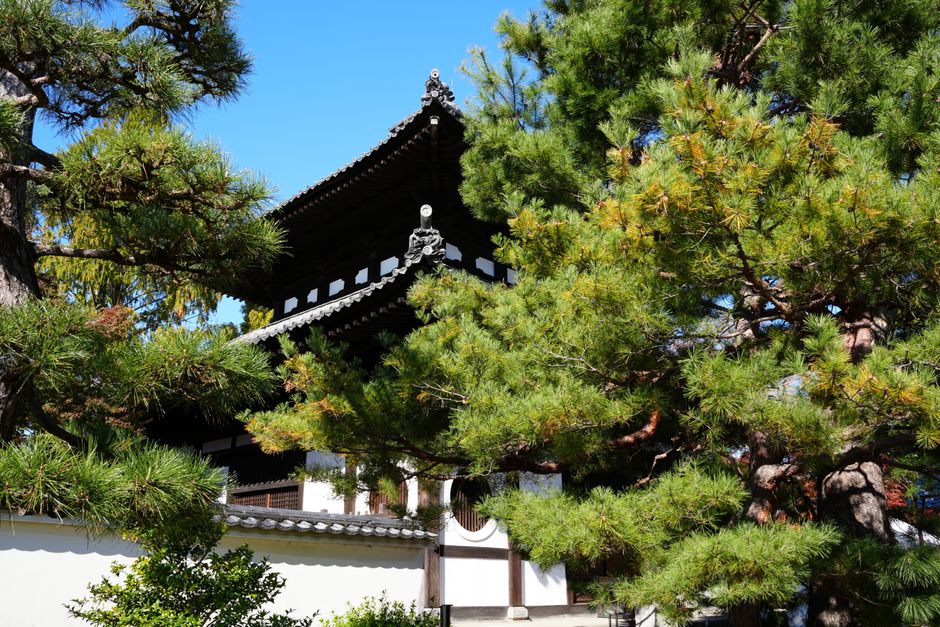
Kyoto, with its thousands of Buddhist temples and Shinto shrines, presents a rich tapestry of spiritual and historical sites. While iconic locations such as Kinkaku-ji and Fushimi Inari Taisha attract large crowds, numerous lesser-known temples offer a more tranquil and intimate experience. For solo travelers, these hidden gems provide an opportunity to engage with Japanese culture and spirituality away from the bustle of tour groups. This guide outlines some of Kyoto’s quieter temples, along with practical information on access, timing, and etiquette to help you navigate your journey respectfully and confidently.
Exploring these sites independently allows for a flexible pace and personal reflection. However, it is important to approach them with an understanding of local customs and an awareness of the factors that can affect your visit. By planning ahead and observing basic etiquette, you can contribute to the preservation of these cultural assets while enjoying a serene experience.
Travelers who venture beyond the well-trodden paths often discover the deeper layers of Kyoto’s spiritual heritage.
Understanding the Appeal of Hidden Temples
Hidden temples in Kyoto are often characterized by their quieter atmospheres, smaller scale, and unique histories. Unlike their famous counterparts, these sites may receive fewer visitors, allowing for a more contemplative visit. Many are located in residential neighborhoods or on the outskirts of the city, surrounded by nature or traditional gardens. For solo travelers, this solitude can be particularly rewarding, offering space for meditation, photography, or simply soaking in the ambiance. However, the term “hidden” does not imply that these temples are secret; rather, they are simply less promoted in mainstream tourism. They remain accessible to those who seek them out, often with basic Japanese language skills or a good map. The experience can vary greatly depending on the season, day of the week, and time of day. It is advisable to check opening hours and special events in advance, as some temples may have irregular schedules or require reservations for certain areas.
Notable Hidden Temples to Consider
Several temples in Kyoto are frequently cited by seasoned travelers as serene alternatives to the popular spots. Among them, a few stand out for their accessibility and distinctive features. The following list is not exhaustive but provides a starting point for your exploration. Each temple has its own character and set of guidelines, so approach each visit with an open mind and a respectful attitude.
- Shisen-do: A small temple in the northern part of Kyoto, known for its tranquil garden and literary associations. It offers a peaceful retreat, especially in autumn when the maple trees turn vibrant colors.
- Honen-in: Located near the Philosopher’s Path, this temple is famous for its moss-covered grounds and two distinctive white sand mounds. It tends to be less crowded early in the morning.
- Kurama-dera: Nestled in the mountains of northern Kyoto, this temple requires a short hike but rewards visitors with panoramic views and a spiritual atmosphere. It is accessible by train from central Kyoto.
- Otagi Nenbutsu-ji: Situated in Arashiyama, this temple is unique for its 1,200 stone statues of rakan (Buddhist disciples), each with a different expression. It is a bit further from the main tourist area but well worth the journey.
Each of these temples has its own entry fees and opening hours. It is recommended to verify these details on official websites or at local tourist information centers before your visit. Some temples may close during certain periods, such as New Year holidays, so planning is essential.
Access and Timing for a Smooth Visit
Getting to Kyoto’s hidden temples often involves a combination of trains, buses, and walking. The city has an extensive public transportation network, but rural temples may require additional transfers or a taxi. For solo travelers, a prepaid IC card such as ICOCA or Suica can simplify train and bus rides. Buses in Kyoto are particularly useful for reaching temples not served by trains, but they can be crowded during peak seasons. Renting a bicycle is another option for exploring central areas, though hilly terrain may limit its practicality for mountain temples. When planning your itinerary, consider the time required for travel and the temple’s opening hours. Early morning visits often provide the most peaceful experience, as crowds tend to increase later in the day. Weekdays are generally quieter than weekends, and avoiding national holidays can also reduce congestion. The seasons play a significant role: spring and autumn are beautiful but busy, while summer can be hot and humid, and winter may offer solitary contemplation but with colder temperatures and potential snow. Checking weather forecasts and adjusting your plans accordingly is advisable. Additionally, some temples may have limited English signage, so carrying a phrasebook or using a translation app can be helpful.
Cultural Etiquette for Temple Visits
Observing proper etiquette is crucial when visiting any temple in Japan. While specific rules may vary slightly from one site to another, general guidelines apply to most. Upon entering a temple ground, it is customary to bow slightly at the gate. If there is a purification fountain (temizuya), you should rinse your hands and mouth in the prescribed manner: take a ladle with your right hand, pour water over your left hand, then switch to rinse your right hand, pour water into your left hand to rinse your mouth (without touching the ladle to your lips), and finally rinse the ladle handle before replacing it. When entering a temple building, remove your shoes if there is a shoe rack or designated area. Inside, avoid loud conversations, and do not touch artifacts or statues unless permitted. Photography may be restricted in certain areas; look for signs or ask a staff member. If you wish to make an offering, coins are typically placed in the offering box (saisen-bako) at the main hall. Some temples offer the opportunity to write a prayer on a wooden plaque (ema) or draw a fortune (omikuji). These practices are optional but can be meaningful. Finally, remember that temples are active places of worship; maintain a respectful demeanor, and dress modestly, avoiding overly revealing clothing.
Practical Tips for Solo Travelers
Traveling solo in Kyoto can be enriching, but it requires some preparation to ensure a smooth experience. Start by researching your chosen temples thoroughly, noting their addresses, opening hours, and any special conditions. Create a flexible itinerary that allows for spontaneous discoveries, as you might stumble upon other interesting sites along the way. Budgeting is important: while some temples are free, others charge admission fees (typically 300–600 yen). Carry cash, as not all temples accept credit cards. Connectivity is useful for navigation and translation; consider renting a pocket Wi-Fi or purchasing a local SIM card. Safety is generally not a concern in Kyoto, but it is always wise to stay aware of your surroundings, especially in less crowded areas. If you plan to visit multiple temples, a combination ticket or a guidebook may offer savings and insights. Language barriers can be managed with basic Japanese phrases and polite gestures. In case of emergency, the tourist police or your embassy can provide assistance. Lastly, embrace the solo experience: it offers the freedom to linger, reflect, and connect with the serene environments at your own pace.
In conclusion, Kyoto’s hidden temples provide a unique opportunity for solo travelers to experience the city’s spiritual and cultural depth away from the crowds. With proper preparation and respectful behavior, your journey can be both peaceful and memorable. Remember that these sites are part of a living tradition, and your mindful visit helps ensure they remain for future generations.